




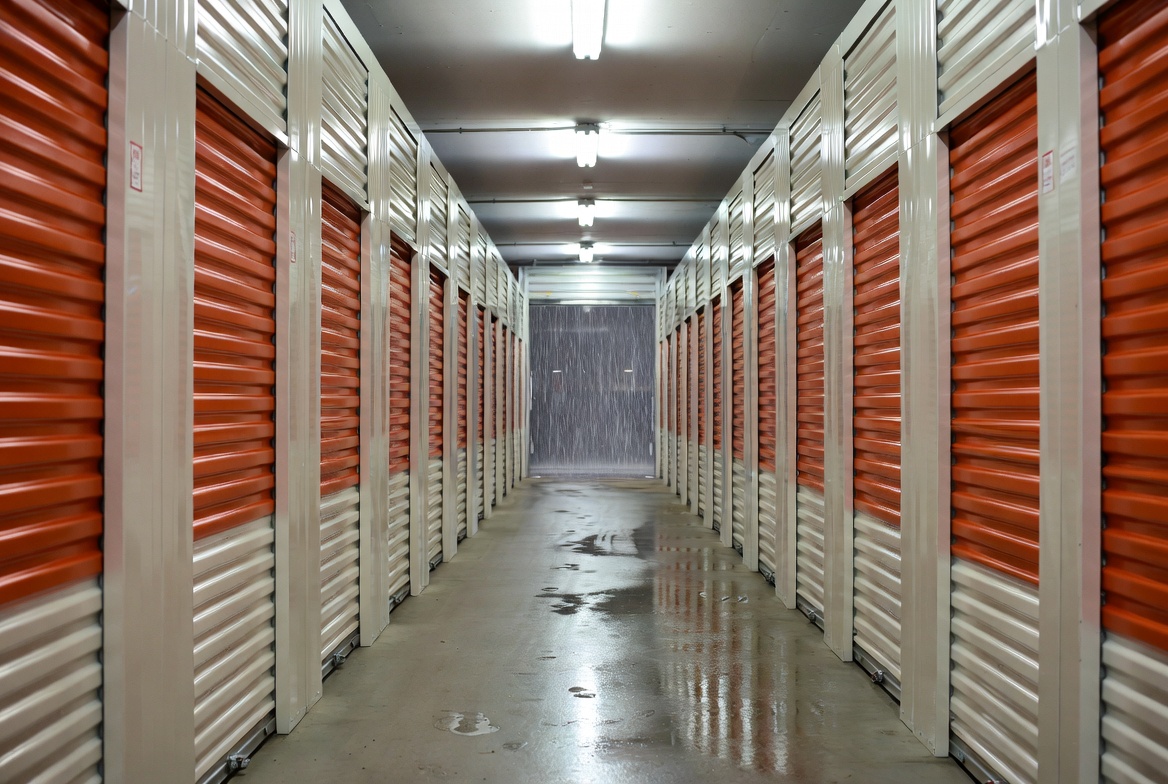
Vancouver gets around 161 rainy days a year. From October through March, the sky turns that familiar shade of grey, the Seawall empties out, and most of us end up spending a lot more time at home than we’d like. Locals call it Raincouver for a reason.
What people don’t talk about enough is what those long months indoors do to your headspace. Your home stops being just a place you sleep. It becomes your gym, your office, your social space, and your sanctuary. And if it’s cluttered, that hits different when you can’t escape to Stanley Park for the afternoon.
This guide walks through why home organization becomes a real mental health tool during Vancouver winters, and what you can actually do about it without overhauling your entire life.
Why Does Vancouver’s Climate Affect Your Mind More Than You Think?
Vancouver winters compress your world into your living space, which means a cluttered home has nowhere to hide.
Seasonal Affective Disorder is well documented in the Pacific Northwest. Reduced daylight hours, persistent grey skies, and limited outdoor time all contribute to lower mood and energy levels through the colder months. BC residents are among the most affected in North America simply because of how long the rainy season lasts.
Here’s the part that gets overlooked. When you’re outside less, you’re inside more. A lot more. The walls you barely noticed in July become the walls you stare at every evening from November to March. If your space feels chaotic, that chaos becomes the backdrop to your entire winter.
Most Vancouverites don’t realize how much their home environment shapes their winter mental state until they fix it.
What Does Clutter Actually Do to Your Brain?
Visual clutter raises cortisol levels, increases decision fatigue, and amplifies low mood, especially when you can’t physically escape it.
Research from UCLA and Princeton has linked cluttered environments to elevated stress hormones and reduced ability to focus. Your brain processes every visible item as a small unfinished task. Multiply that by hundreds of items and you’ve got a low-grade stress response running in the background of your day.
This matters more in Vancouver than almost anywhere else in Canada. In summer, you escape. You hit the Seawall, drive up to Whistler, kayak in Deep Cove, hike the Chief. Your home is just a launch pad. In winter, your home is the whole experience. The pile of gear in your hallway, the boxes you never unpacked, the closet that won’t close, all of it becomes the visual soundtrack to your December and January.
Add Vancouver’s small condo reality to this and the problem compounds. The average new condo in Vancouver has shrunk over the past decade, and most residents are working with under 700 square feet. There’s nowhere for clutter to hide.
| Clutter Type | Mental Health Impact | Why It’s Worse in Winter |
|---|---|---|
| Visual clutter (countertops, surfaces) | Elevated cortisol, reduced focus | You see it constantly indoors |
| Closet and storage clutter | Decision fatigue, morning stress | You’re layering more clothes daily |
| Seasonal gear left out | Sense of incompletion, low motivation | Summer items in winter feel like a reminder of what you’re missing |
| Paper and digital clutter | Anxiety, procrastination | More time at home means more time noticing it |
Why Do Vancouver Homes Run Out of Space Faster Than Most Canadian Cities?
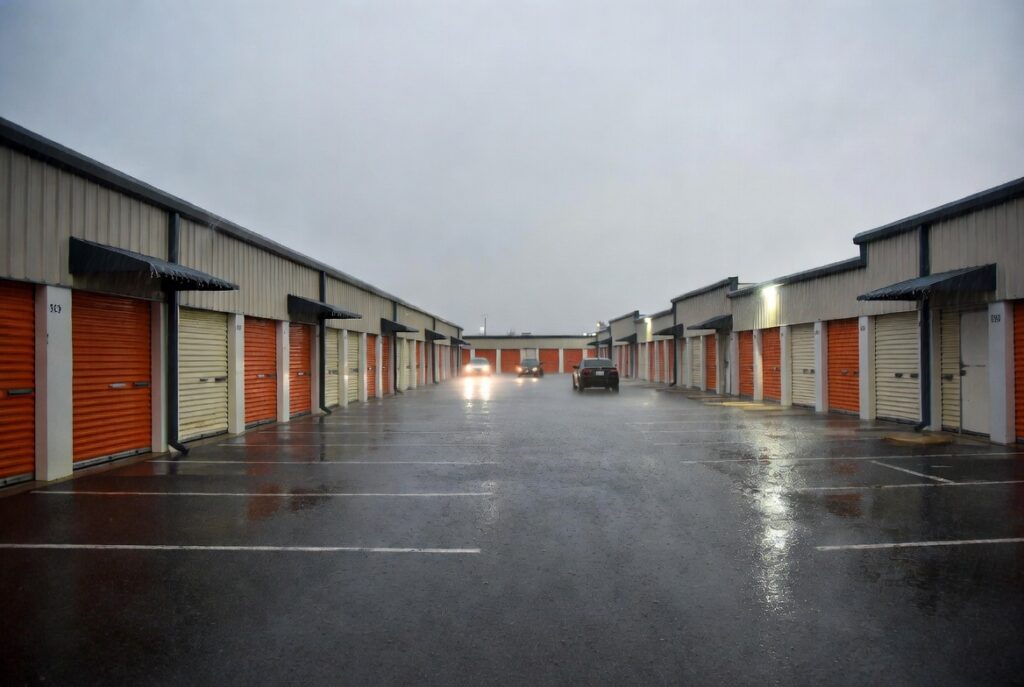
Vancouver combines small living spaces with a lifestyle that demands a lot of gear, which creates a storage problem most other Canadian cities don’t have.
Think about what an average Vancouver household owns. Skis or a snowboard for Whistler and Cypress. A bike or two for the Seawall and the North Shore trails. Hiking boots, camping gear, maybe a kayak or paddleboard. Rain gear for nine months of the year. Patio furniture for the three months you can actually use it. Most of us are outdoor enthusiasts whether we planned to be or not, because the city’s geography basically requires it.
Now fit all of that into a 600 square foot condo in Yaletown or a basement suite in Kitsilano. Something has to give.
The damp climate makes things worse. Storing items in your balcony bin or a damp basement locker means dealing with mildew and mold. Cardboard boxes don’t survive Vancouver winters. Anything fabric needs proper ventilation. The traditional answers (basement, garage, balcony) don’t really work here the way they work in drier cities.
This is where seasonal rotation becomes essential, not optional. Summer gear should not be living in your living room in February. Winter sports equipment shouldn’t be cluttering your closet in July. For Vancouverites with limited condo space, rotating seasonal gear through self storage in Vancouver keeps your living space breathable during the months you spend the most time in it. The mental health benefit shows up immediately. Less visual noise, more functional space, and fewer reminders that you’re stuck inside.
How Should Vancouverites Rotate Seasonal Items?
The simplest system is a twice-yearly swap, timed to the actual Vancouver climate rather than the calendar.
Most people try to rotate based on what month it is. That doesn’t really match how Vancouver weather actually behaves. Late October usually marks the real start of indoor season, and mid-April is when patios and bikes come back into rotation. Plan your swaps around those windows.
| Season | Store Away | Bring Forward |
|---|---|---|
| Late October swap | Kayaks, paddleboards, camping gear, patio furniture, summer sports equipment, beach gear | Skis, snowboards, winter boots, heavy duvets, rain gear, indoor hobby supplies |
| Mid-April swap | Ski and snowboard equipment, heavy winter coats, winter boots, bulky bedding | Bikes, hiking gear, camping equipment, patio cushions, summer wardrobe |
A few practical tips that matter specifically in Vancouver. Always store fabric items in breathable containers, never sealed plastic bins, because trapped moisture in our climate creates mold within weeks. Keep silica gel packets in any bin storing electronics or leather. Photograph everything before you store it so you remember what you have when the next swap rolls around.
The hidden benefit of this system is psychological. Switching out your seasonal gear creates a small ritual that marks the change in season. Vancouver’s seasons blend together because the weather is so consistently grey, and giving yourself a clear “winter mode begins now” moment helps you mentally adjust.
How Does an Organized Home Improve Your Winter Mood?
A decluttered home lets in more of the limited winter light, reduces background stress, and gives you a calm space when outdoor escape isn’t an option.
Vancouver winter daylight is precious. We’re talking around eight hours of light on the shortest days, and most of that filtered through cloud cover. Every cluttered surface that blocks a window or absorbs light is working against you. Clear windowsills, light-colored throws, and uncluttered floors all amplify the natural light you do get.
Beyond the light issue, having a designated calm zone matters more in Vancouver than in cities where you can just go for a walk on a January afternoon. Pick one corner of your home and keep it intentionally simple. A chair, a lamp, a small table for tea, nothing else. This becomes your reset spot when the rain has been going for six days straight.
A few Vancouver-specific touches that help:
- A 10,000 lux light therapy lamp on your desk or kitchen counter, used in the morning
- Plants that handle low light well, like pothos, snake plants, or ZZ plants
- Window cleaning twice during winter to maximize whatever sunlight breaks through
- Warm light bulbs (2700K or below) for evening to mimic the sunset you can’t see
The combination of organized space, intentional light, and a designated calm zone shifts how your home feels during the long indoor months. It stops being a holding pen and starts feeling like a refuge.
What Should You Do With Items You’re Ready to Let Go Of?
Donating unused items to local Vancouver charities clears your space and creates a sense of purpose, both of which help with winter mood.
Decluttering doesn’t have to mean throwing things out. A lot of what’s cluttering Vancouver homes is perfectly usable and would genuinely help someone else. The act of donating itself has measurable mental health benefits, including increased sense of purpose and reduced symptoms of low mood.
| Charity | What They Accept | Vancouver Locations |
|---|---|---|
| BC SPCA Thrift Stores | Clothing, housewares, books, small furniture | Multiple locations including Kerrisdale and East Van |
| Salvation Army Thrift Store | Clothing, furniture, electronics, household items | Locations across Metro Vancouver |
| Big Brothers of Greater Vancouver | Clothing and small household items via donation bins | Bins throughout the city |
| Developmental Disabilities Association | Clothing, books, small items via Value Village partnership | Drop-off bins citywide |
| Mission Possible | Clothing and household goods supporting Downtown Eastside | East Hastings location |
Pick one closet, one drawer, or one corner. Sort into three piles: keep, donate, and not sure. The “not sure” pile is the one that usually grows out of control, which is why having a separate storage option for those items prevents the whole project from stalling out.
Final Thoughts on Surviving Vancouver Winters Indoors
Vancouver’s rainy season is long, and pretending otherwise doesn’t help anyone. What you can change is how those months feel inside the four walls you spend them in. Treating home organization as a mental health practice rather than a weekend chore shifts the whole equation.
Start small. Pick one drawer this weekend. Rotate one season’s worth of gear next month. Donate one bag of items that have been sitting around since you moved in. The cumulative effect of a few small changes adds up to a noticeably calmer winter, and your March self will thank your November self for getting started.